Lavender Oil vs Dried Buds vs Hydrosol: What to Buy
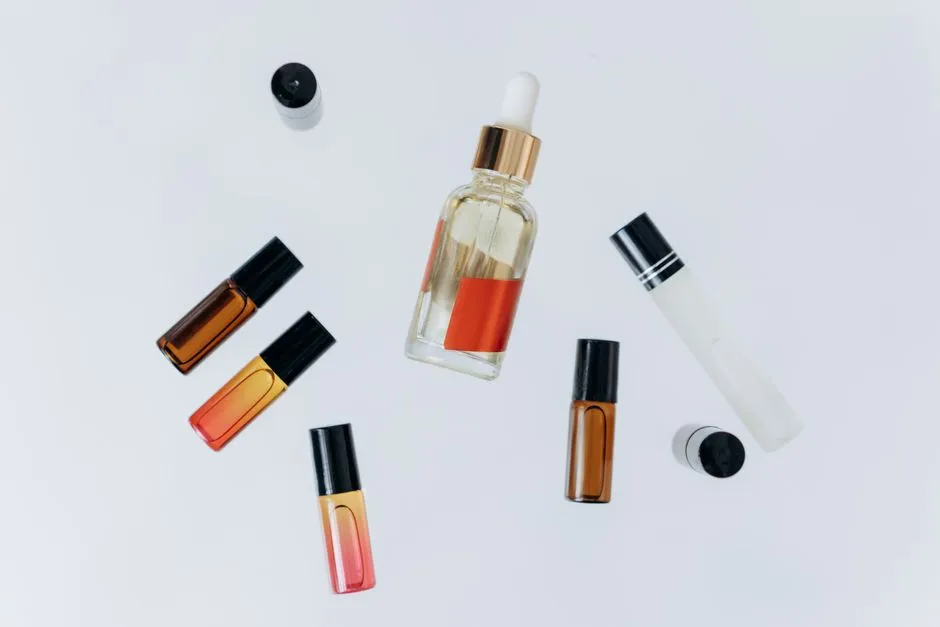
- Should you buy lavender oil, dried buds or hydrosol?
- What is different about the three forms?
- Which form belongs in a baking cupboard?
- What should you check on a hydrosol listing?
- Is hydrosol automatically gentler or safer?
- What makes sense for a bath or bedroom?
- How do you compare value without comparing unlike products?
- When should you pause the purchase or seek help?
- Sources
Should you buy lavender oil, dried buds or hydrosol?
Buy culinary dried buds when a food recipe calls for lavender flowers. Choose a finished, labelled product for skin or bath use, rather than treating essential oil as ready to apply. A hydrosol is a distilled aromatic water, not a universal substitute for either. Do not swallow household essential oil. Check the exact ingredients, intended use and directions before buying.
This is a desk-researched comparison of formats, not a hands-on product ranking. The useful question is what you intend to do with the lavender, not which form sounds strongest.
What is different about the three forms?
| Form | What you are buying | Suitable starting point | Worth knowing |
|---|---|---|---|
| Dried buds or flowers | Dried plant material | A food recipe specifying culinary lavender; separately, a craft project | Decorative material is not automatically food |
| Essential oil | A concentrated volatile plant extract | A labelled fragrance or topical product used exactly as directed | Concentration creates handling risks; it is not a cooking substitute |
| Hydrosol | Aromatic water obtained through distillation | A product with explicit directions for the intended cosmetic or other use | Water-based does not establish food suitability or universal skin safety |
Poison Control describes essential oil as a concentrated plant extract and warns that lavender oil is toxic if swallowed. A University of Ottawa chemistry project describes hydrosol as the aromatic water carrying water-soluble volatile components from distillation. These are different materials, not interchangeable measures of one ingredient.
The comparison does not supply a buds-to-drops ratio, a home-distillation method or a cosmetic formula.
Which form belongs in a baking cupboard?
Choose a food-intended packet of dried flowers or buds when that is what the recipe specifies. Purdue Extension identifies English lavender as commonly used in cooking and warns that ornamental material may have received pesticides unsuitable for consumption. It also describes storing dried lavender in a sealable container.
Keep the culinary packet separate from sachet fillings and cosmetic bottles. Retain the ingredient label and supplier information. A photograph of edible flowers on a package does not establish what is inside it.
Do not replace dried buds with drops from an essential-oil bottle, including drops first mixed into water. A specially formulated food flavouring is a separate product requiring its own recipe directions. Our culinary lavender buying guide covers plant identity and food provenance; the food-and-drink guide handles the broader culinary boundary.
What should you check on a hydrosol listing?
Begin with identity: does the seller say this is a distillate, and which plant and plant part were distilled? Then read the complete ingredient list and intended-use statement. Do not infer that every bottle called "lavender water" has the same composition.
A real example shows why this matters. Mountain Rose Herbs' lavender hydrosol listing, checked September 10, 2026, identifies Lavandula angustifolia, describes water-steam distillation of fresh flowers, and specifies cosmetic use. That last point does not authorize drinking it. This is a label-reading example, not an endorsement or acceptance of the seller's wider benefit claims.
Before paying, ask:
- Is this a finished product or an ingredient for a professionally formulated product?
- Which uses and users do its directions actually cover?
- What ingredients are present besides the named distillate?
- What are the unopened and after-opening storage instructions?
- Can the supplier identify the batch and explain its preservation and shelf-life information?
A listing that leaves these questions unanswered needs clarification. Do not fill the gaps with a homemade storage period or an assumption that distillation makes the bottle permanently sterile.
Is hydrosol automatically gentler or safer?
No universal safety ranking follows from the format alone. FDA's aromatherapy guidance explains that plant-derived fragrance ingredients can irritate skin or cause allergic reactions; natural origin is not a safety guarantee. Intended use matters.
For a cosmetic hydrosol, preservation also matters. FDA's microbiological-safety guidance identifies contaminated ingredients, inadequate preservation, packaging and poor storage among the ways cosmetics become contaminated. Follow the manufacturer's storage directions, keep the container clean and do not add water to extend the product: that can introduce microorganisms and dilute preservatives.
Our purchasing preference is a clearly documented finished product over an unlabelled refill with broad promises. That is a documentation criterion, not a claim that a particular formulation has been tested here.
What makes sense for a bath or bedroom?
For a bath, our recommendation is a finished bath product with directions for that purpose. Do not improvise by adding concentrated essential oil to bath water or assuming a cosmetic hydrosol is approved for every body area.
For skin use, Poison Control advises following the label's recommended dilution and its age and health-condition directions. Keep oil away from eyes and flames, and store it tightly closed, cool, dark and inaccessible to children. The essential-oil safety guide covers these handling questions in detail.
For room fragrance, choose only a product compatible with the device and its instructions. Do not assume a hydrosol belongs in a diffuser designed for a different material. An unscented room is also a valid choice; buying lavender is not necessary for sleep.
NCCIH says lavender aromatherapy's effects on sleep and several other conditions remain unclear. Inhalation can cause headache or coughing, and topical products can cause allergic skin reactions. Stop use after a reaction and obtain appropriate advice. Ask a clinician or pharmacist before herbal use with medicines, pregnancy, breastfeeding or a planned procedure.
How do you compare value without comparing unlike products?
Make the intended job the first line of the shopping note. "Buds for the shortbread recipe" and "a finished bath product" are different purchases even if both packages show lavender.
Consider this fictional decision. One offer supplies culinary dried buds; another supplies cosmetic hydrosol. If the recipe requires buds, the first format is relevant. The hydrosol does not become a better bargain because its bottle is larger.
Once two candidates meet the same brief, record their net amounts, delivered prices, storage needs and complete directions. Compare the same units and the same intended use. Do not convert essential-oil millilitres into an invented number of cups of tea, or count a cosmetic bottle as several food portions.
Choose the amount you can use under its actual instructions. A bulk offer with unclear after-opening guidance leaves a real unanswered question, not merely a price comparison.
When should you pause the purchase or seek help?
Pause when the product's identity or intended route is unclear, or when the decision concerns a child's use, an existing allergy or treatment of a symptom. A gardening publication cannot clear an individual product for those circumstances.
Keep all products out of children's and pets' reach. ASPCA advises against directly applying essential oils to pets and avoiding essential-oil diffusers in homes with birds. Contact a veterinarian immediately after suspected animal exposure; a human cosmetic label is not veterinary guidance.
After someone swallows essential oil, contact a poison service immediately; do not induce vomiting. In the United States call 1-800-222-1222. Call 911 for collapse, seizure, breathing difficulty or inability to wake. Elsewhere use local poison and emergency services. Poison Control first aid.
Sources
- Purdue Extension: culinary lavender.
- Poison Control: lavender oil.
- University of Ottawa: lavender hydrosol chemistry project.
- Mountain Rose Herbs: product identity and cosmetic-use statement.
- FDA: aromatherapy.
- FDA: microbiological safety of cosmetics.
- NCCIH: lavender evidence and safety.
- ASPCA: essential oils around pets.
- Poison Control: first aid.