Which Lavender Is Edible? A Culinary Buying Guide
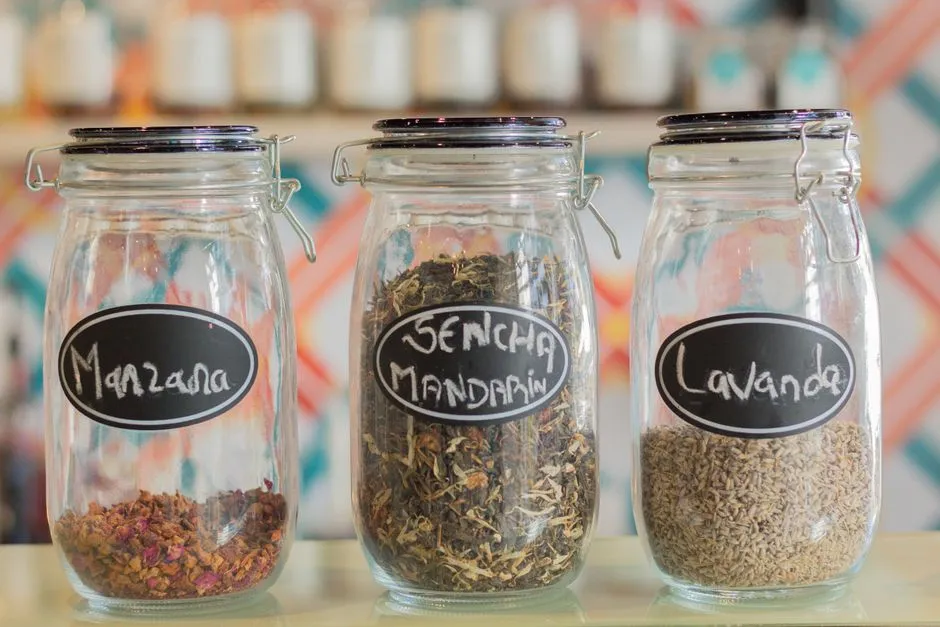
- Which lavender should you buy for cooking?
- What does the botanical name tell you?
- Is English lavender the only edible lavender?
- Should you buy a plant, dried buds or a prepared ingredient?
- What should a supplier be able to explain?
- How would you compare two offers without inventing a ranking?
- How much should you use?
- What are the health and household boundaries?
- Sources
Which lavender should you buy for cooking?
For a first culinary purchase, choose English lavender, Lavandula angustifolia, sold specifically for food use with a traceable supplier. Check both the botanical identity and the intended use: a correctly named ornamental plant is not automatically a kitchen ingredient. This is a desk-researched buying recommendation, not a taste-test ranking. Buy culinary flowers or buds for the recipe you intend to make; do not substitute lavender essential oil.
Purdue Extension's lavender guide identifies English lavender as the type most commonly used in cooking and warns that ornamental stock may have received unsuitable pesticide treatments. That gives a useful starting point, not approval for every plant bearing the same name.
What does the botanical name tell you?
A common name is a starting point for a search; the botanical name makes the purchase more specific. The cultivar name adds another level of identification.
Iowa State Extension separates these groups:
| Group | Botanical name | Examples listed by Iowa State |
|---|---|---|
| English lavender | Lavandula angustifolia | Munstead, Hidcote, Royal Velvet |
| Lavandin | Lavandula × intermedia | Grosso, Provence, Phenomenal |
Lavandin is a hybrid of English lavender and spike lavender. The multiplication sign in its botanical name marks the hybrid; it is not a quality rating.
Use the table to interpret a nursery label, not to approve a harvest. “Hidcote” identifies a cultivar in the English group, but it does not reveal that particular plant's treatment history. Equally, “Provence” is not proof that a packet was produced as food.
Ask the seller to put the full identity on the invoice or product record. If the listing and supplied label disagree, resolve that discrepancy before considering culinary use.
Is English lavender the only edible lavender?
Our recommendation is deliberately narrower than an all-species edibility list. The University of Minnesota's edible-flower guide specifically lists Lavandula angustifolia, also naming L. officinalis, for culinary uses including baking and tea. That supports choosing an identified culinary product in this group.
It does not establish that every other lavender is poisonous, nor does it establish that every species sold as “French” or “Spanish” lavender belongs in food. This article supplies no permission to eat an unidentified plant.
For a lavandin product, request a food-use statement for the actual product, its botanical identity and preparation directions. Do not substitute a decorative bundle because an online recipe mentions the cultivar. If a supplier cannot resolve those questions, choose a better-documented culinary product.
We have not conducted a tasting or compared chemical analyses. There is no claimed winner for sweetness, no camphor percentage table and no assertion that one named cultivar always tastes better than another.
Should you buy a plant, dried buds or a prepared ingredient?
Choose the format that matches the job. These are editorial purchasing criteria, not product test results.
| Your intended job | Format to investigate | What the purchase must clarify |
|---|---|---|
| Make one specified recipe soon | Packaged culinary dried flowers or buds | Ingredient identity, food use, amount supplied and preparation instructions |
| Grow future kitchen harvests | Identified culinary plant | Botanical label and a documented treatment history suitable for the intended food use |
| Follow a recipe requiring a prepared lavender ingredient | That specified food product | Full ingredients and the manufacturer's directions |
| Decorate a room or make a sachet | Decorative material | Keep that purchase separate from kitchen supplies |
Do not treat a plant's price as the price of an immediate edible harvest. A decorative plant with unresolved treatment history does not meet the culinary brief, however many flowers it carries.
Similarly, a large packet is not automatically better value if your recipe requires a different form. Compare products that answer the same need before comparing the amount in each package.
What should a supplier be able to explain?
Use a short question set rather than relying on a photograph of purple flowers:
- What is the botanical identity of this plant or ingredient?
- Is this exact product supplied for human food use?
- For living plants, what treatments were used before sale?
- Which part is supplied: flowers, buds, leaves or a prepared mixture?
- What ingredients, preparation directions and storage instructions accompany it?
Keep the original packaging or the seller's written response with your purchase record. “The grower said it was fine” is much harder to revisit than a dated answer attached to the actual product.
The reason treatment history matters is specific: Minnesota Extension explains that systemic pesticides move through plant tissues and cannot be washed off. Rinsing is therefore not a way to turn undocumented ornamental stock into verified culinary stock. Do not eat roadside flowers or florist material.
An unanswered question is a purchasing stop, not a reason to improvise a waiting period, washing treatment or home test.
How would you compare two offers without inventing a ranking?
Consider this fictional shopping decision. You want dried lavender for a recipe that explicitly calls for culinary buds.
Offer A identifies the botanical name, describes the contents as a food ingredient and supplies directions. Offer B shows a flowering plant and gives only a decorative cultivar name. The first offer is the relevant candidate for that recipe; the second still lacks essential information. This does not claim that either real seller has been checked.
If two food products both meet your brief, make a record with:
Product and supplier:
Botanical identity:
Ingredient/form:
Evidence of food use:
Net amount:
Delivered price and date checked:
Recipe requirement:
Unanswered questions:
Decision and reason:
Use current prices from the actual offers, including delivery where applicable. No price here has been invented to imply a market survey. The useful comparison is whether the product fits the recipe and its provenance is clear; a lower unit price cannot compensate for unresolved food suitability.
How much should you use?
Use a recipe that specifies both the form and quantity. Do not silently replace dried buds with a handful of fresh stems or convert a food measurement into drops of essential oil.
Illinois Extension describes culinary use in beverages and savory dishes, while advising restraint because a little goes a long way. That is not a universal teaspoon dose for every recipe.
For harvesting questions, our separate lavender-for-tea guide covers the plant-to-kitchen step. The growing guides address cultivation. Neither changes the need to establish food suitability before picking.
What are the health and household boundaries?
NCCIH says lavender is likely safe in amounts typically used in food, while noting limited knowledge about pregnancy and breastfeeding and possible interactions with sedative medicines. For pregnancy, breastfeeding, medication use or a planned procedure, discuss intended herbal use with a clinician or pharmacist. This buying guide does not recommend lavender as a treatment or a daily supplement.
Essential oil is a separate concentrated product. Poison Control warns that swallowed lavender oil can be toxic. Do not drink it, add it to food as a substitute for flowers, or assume dilution makes ingestion safe. Keep it inaccessible to children.
For a suspected poisoning, contact a poison service promptly. In the United States call 1-800-222-1222; do not induce vomiting. If someone collapses, has a seizure, has difficulty breathing or cannot be awakened, call 911 immediately. Elsewhere use local poison and emergency services. Poison Control first-aid guidance
Human culinary use does not establish pet safety. ASPCA lists English/common lavender as toxic to dogs, cats and horses. Prevent access and contact a veterinarian promptly after suspected ingestion.
Sources
- Purdue Extension: Lavender FoodLink
- Iowa State Extension: Growing Lavender in Iowa
- University of Minnesota Extension: Edible Flowers
- Illinois Extension: Lavender
- NCCIH: Lavender
- Poison Control: Lavender Oil
- Poison Control: First Aid
- ASPCA: Lavender
Sources opened and read September 8, 2026. The offer comparison and purchase record are original editorial examples. No products were purchased or taste-tested for this article.