How to Harvest Lavender for Tea: Flowers and Leaves
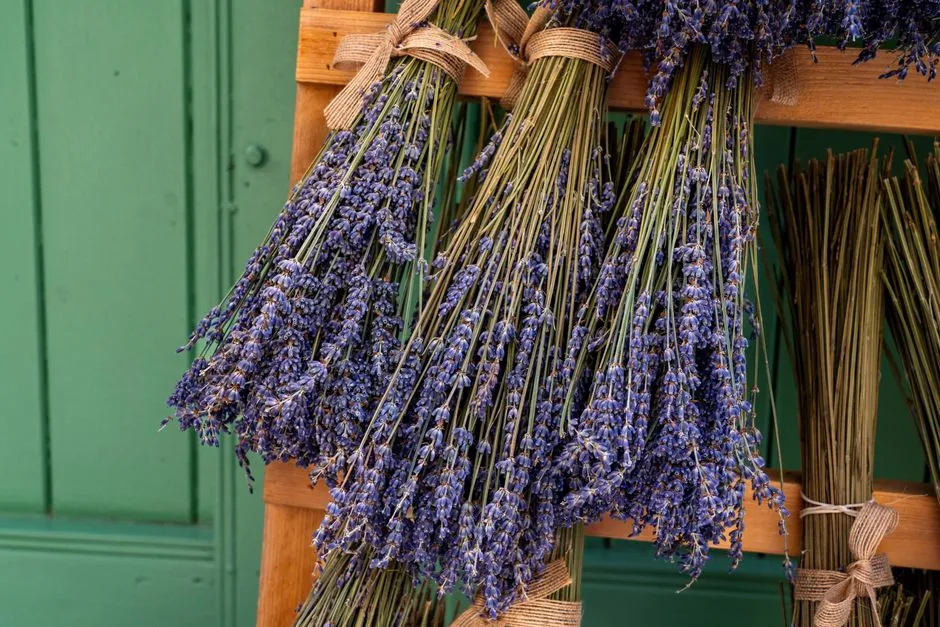
- How do you harvest lavender for tea?
- Which plant is suitable before you cut anything?
- When should you pick the flowers?
- Should leaves and flowers go in the same container?
- How do you clean and dry a tea batch?
- What amount goes into one cup?
- What should you record for the next harvest?
- When should tea preparation stop?
- Sources
How do you harvest lavender for tea?
Harvest tea lavender only from positively identified, food-grown English lavender (Lavandula angustifolia) with a verified treatment history. Pick clean flower spikes as blooms begin opening, after dew dries; keep leaves separate. Rinse, then use fresh or dry in small, ventilated bunches. Use a lavender-specific recipe, not essential-oil drops. If identity or food suitability is uncertain, do not harvest for drinking; ask the supplier or local extension service.
A good harvest record follows the plant into the cup. Flowers or leaves, fresh or dried, and the measured amount all deserve their own line. This guide concerns culinary preparation, not treatment for sleep, anxiety, or another health condition.
Which plant is suitable before you cut anything?
University of Minnesota Extension lists Lavandula angustifolia flowers for tea and stresses scientific identification. A common name, purple bloom, photograph match, or familiar scent does not establish an unknown plant's identity.
Keep the supplier's plant label and confirmation that it was grown for food. Purdue Extension warns that lavender from florists, nurseries, and garden centers may have received pesticides unsuitable for consumption. Being sold as a living herb does not resolve that history.
If a garden product was applied, check its exact edible-crop permissions and harvest restrictions with the manufacturer or local extension service. Follow the complete label; the EPA explains that mandatory use directions must be followed. An ornamental-use label or an unknown treatment history is not sufficient.
Do not use roadside flowers, craft bundles, potpourri, or material contaminated by animal waste. Washing does not make unknown treatments acceptable: Minnesota notes that systemic pesticides enter plant tissues and cannot simply be washed off. If the records are missing, use food-labelled culinary lavender from a traceable supplier instead.
When should you pick the flowers?
For a harvest intended for drying, Illinois Extension recommends cutting as flowers start opening, when its guide says scent is strongest. Its method dries those stems in small bunches.
Purdue's fresh-use guidance instead describes cutting just after flowers have bloomed and opened. Those are context-specific recommendations, not competing laboratory measurements of tea quality. Neither page establishes one opening percentage that guarantees the best-tasting cup.
Choose the method matching your planned use and record the stage in plain words: “first flowers opening” or “flowers open.” Do not infer that a late harvest is unsafe from bloom stage alone; identification, treatment history, condition, and handling remain separate checks.
Gather after morning dew has evaporated, following Oregon State Extension's herb-harvesting guidance. Use clean snips according to their instructions, keep fingers away from blades, and leave flowers occupied by bees undisturbed. Take flower stalks without cutting into the plant's bare woody framework. Local seasonal growing guidance belongs with Grow Lavender, not a universal harvest date.
Should leaves and flowers go in the same container?
Keep them separate. Illinois horticulture educator Rhonda Ferree describes harvesting lavender leaves and flowers separately in her lavender tea method. Her preference for the stronger flower tea is a stated personal observation, not our tasting result or a guarantee for every plant.
For a flower batch, retain the flower material and remove coarse stems before measuring. For leaves, use a separately identified culinary batch. Do not add miscellaneous pruning debris to increase the yield. Knowing the species does not justify substituting roots, woody stems, or concentrated extracts into a flower-and-leaf recipe.
Label both containers immediately, including the botanical name, plant source, part, harvest date, and the record confirming food-use history. A date alone tells you when a batch was picked, not whether it belongs in food.
How do you clean and dry a tea batch?
Wash hands before preparation. FDA produce guidance specifies 20 seconds with soap and water and plain running water for produce, not soap or produce wash. Purdue specifically advises gently washing fresh lavender leaves and flowers in cool water.
Remove damaged, soiled, or imperfect material. Shake off excess water gently. For drying flower stalks, use Illinois's small-bunch method in a cool, dry, dark, well-ventilated place; keep batches labelled and inaccessible to children and pets.
Do not assign a fixed completion day. OSU describes dry herbs as crumbling readily, with brittle stems that break when bent. Once dry, gently separate the flowers over a clean bowl, remove coarse stem pieces, and transfer to an airtight food container. Store cool, dark, and dry. Discard mouldy material; do not brew it or try to restore it by further drying.
Keep this a small culinary batch. This guide does not substitute improvised oven or microwave settings for a tested preservation method and the appliance manual.
What amount goes into one cup?
Illinois's lavender recipe specifies:
| Material | Amount | Water | Steeping time |
|---|---|---|---|
| Dried culinary lavender | 1 teaspoon | One cup of boiling water | 3–5 minutes |
| Fresh culinary lavender | 2 teaspoons | One cup of boiling water | 3–5 minutes |
These are culinary recipe measurements, not a medicinal dose or a daily-use recommendation. The source discusses leaves and flowers; it does not offer a conversion for essential oil, powdered extract, or a different herbal ingredient. For purchased tea, follow that product's directions.
Use clean, heat-safe brewing equipment on a stable surface. Follow kettle instructions, prevent contact with hot water and steam, and keep children away. Strain the infusion and let it cool sufficiently before tasting. Never add essential oil to the cup.
The short end of the published steeping range is a useful editorial starting point for recording flavour. If the result is too perfumed, note that preference rather than assuming more flowers or a longer steep will improve it. No tasting outcome is promised.
What should you record for the next harvest?
Use this blank batch card; it is an editorial worksheet, not a reported brewing test:
| Record | What to write |
|---|---|
| Identity and food history | Scientific name, supplier, food-use confirmation, treatment record |
| Harvest | Date, flower stage, flowers or leaves, fresh or dried |
| Preparation | Cleaning and drying method; storage label |
| Cup | Measured lavender, water quantity, steeping time |
| Preference | Your own flavour note; keep separate from safety checks |
Recording the water quantity is particularly helpful when using different cups. Do not change the plant part, quantity, and steeping time together and then attribute the difference solely to harvest stage. Sensory preference cannot confirm food safety.
When should tea preparation stop?
Ask a clinician or pharmacist before use during pregnancy or breastfeeding, with medicines, before surgery, or for a child. NCCIH reports limited pregnancy and breastfeeding safety information and possible medicine interactions. This recipe cannot clear an individual's health circumstances. Avoid known allergens and tell anyone being served that lavender is an ingredient.
Keep harvested material away from animals: ASPCA lists English lavender as toxic to dogs, cats, and horses. Contact a veterinarian promptly after suspected ingestion.
Our plant-versus-oil guide explains the product distinction. Lavender essential oil is toxic if swallowed. After oil ingestion, do not induce vomiting or use a home remedy; contact a poison centre immediately. In the U.S., call 1-800-222-1222; elsewhere use the local poison service. Call emergency services for trouble breathing, collapse, seizure, or inability to wake.